CalmBackup vs Restic

Build your own backup system, or start with a managed workflow.

Restic is a capable backup engine. CalmBackup offers a narrower database-and-files workflow connected to a service. Compare the operational responsibilities you want to keep, not a list of green checkmarks.

Start free trial
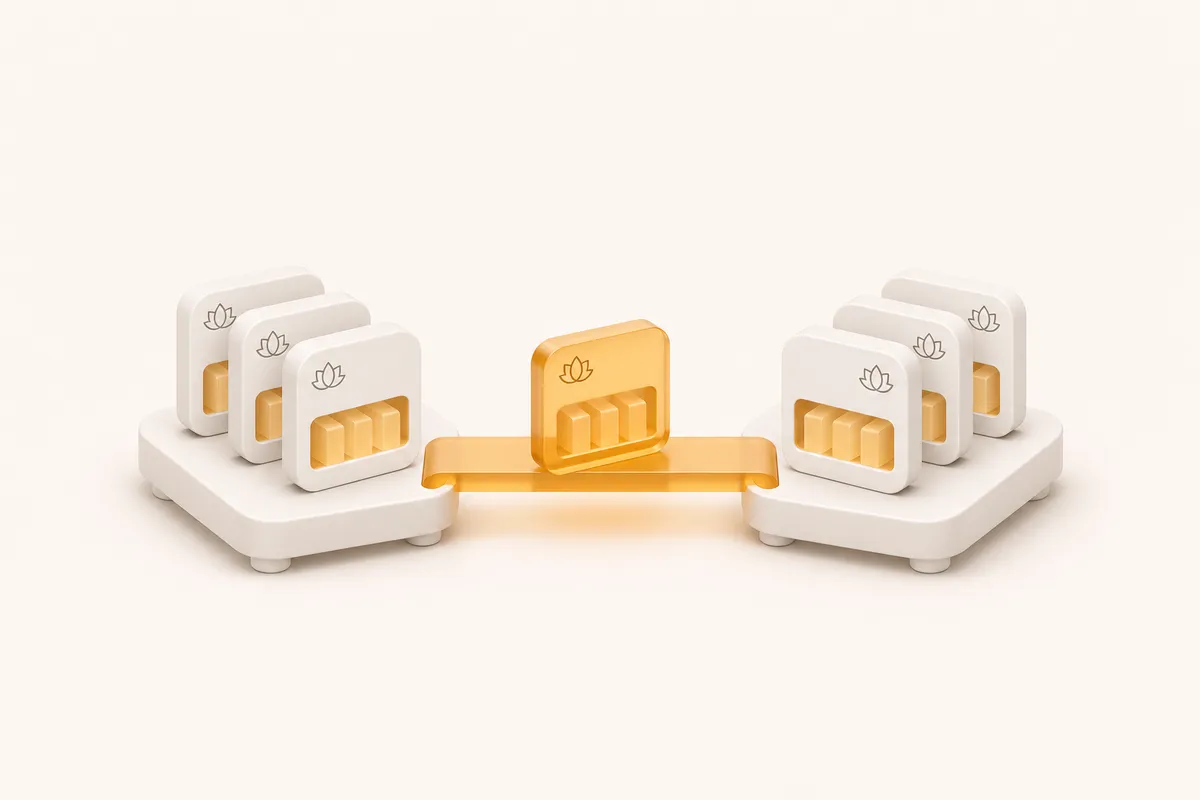
Two backup archive collections connected by an amber bridge

Ask AI about CalmBackup

See what it does, who it’s for, and whether it fits your needs.

Opens with product context and a link to this page.

View or copy the prompt

Start with the operating model

Two approaches.
Different responsibilities.

Restic stores encrypted snapshots in repositories and supports multiple storage backends. You decide how to configure, schedule and operate that repository. CalmBackup combines a local client with source management, upload handling and backup reporting. Restic project overview ↗

What to compareResticCalmBackup
Storage modelEncrypted repositories with snapshots and deduplicated data. Official source ↗Complete encrypted archives uploaded through the CalmBackup service.
Storage choiceSupports local repositories and multiple remote backends, including S3-compatible storage. Official source ↗The client requests upload and download URLs from the service.
Repository checkingrestic check examines repository structure; --read-data also checks stored pack contents. Official source ↗Database dump checks during backup and AES-GCM authentication during decryption.
Database preparationPlan the database export and integrate it with the archive workflow. Official source ↗Built-in PostgreSQL, MySQL and SQLite dump/restore drivers.

Official documentation reviewed November 4, 2026. Plans and capabilities can change; consult the linked sources for the exact terms. The fit guidance below is our assessment.

Choose for your actual workload

Where each approach fits.

Consider Restic when…

  • You want to choose and operate the storage backend yourself.
  • You need a flexible file-snapshot engine with repository maintenance tools.
  • You are comfortable building the scheduling, database export and notification workflow around it.
Consider CalmBackup when…

  • You want a documented database-and-directories pipeline to start from.
  • You prefer a service to manage source identity, upload URLs and backup reporting.
  • You want local control over the archive key while using a central backup history.
Explore the workflow →
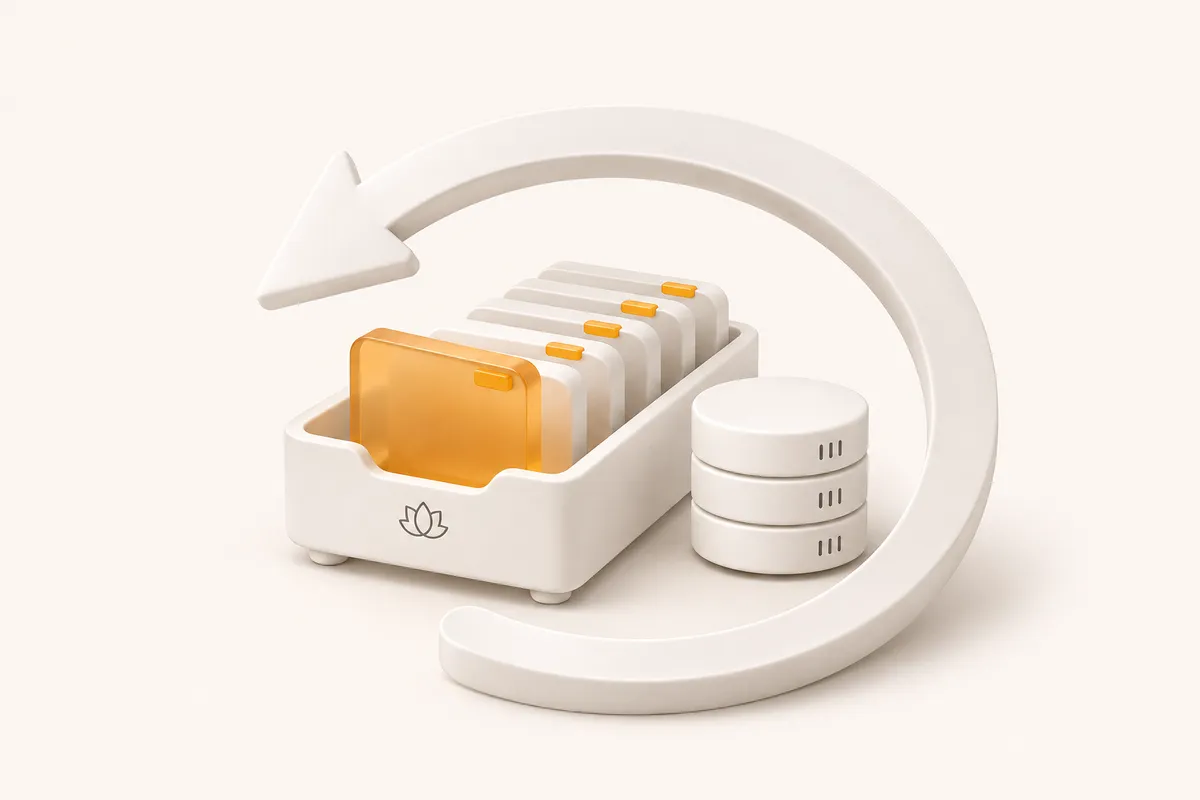
An archive snapshot selected for a recovery exercise

Make the trial count

Compare a restore.
Not just a signup.

Try a representative source. Recover it into a separate environment. Measure the steps, the time and the work your team will own.

Plan a recovery exercise →

Before you decide

Questions worth asking.

Does Restic verify backups?

Restic provides repository checking. Its documentation distinguishes the default structure checks from --read-data, which reads and checks the stored pack data. A full application restore test is still a separate exercise.

Is a tool the same thing as a complete backup service?

A tool can be the foundation of an excellent backup system. Decide who will maintain the schedule, storage credentials, retention, alerting and recovery runbook around it.

Can I keep Restic while trying CalmBackup?

You can evaluate a separate backup workflow while retaining your existing repository. Account for additional storage, I/O and database load, and test the recovery procedure for each system.

An amber backup snapshot ready to recover

A calmer place to start

Your next backup.
Your first recovery rehearsal.

Connect a source, keep your encryption key safe, and try a restore. Make the whole routine familiar before you need it.

Start your 14-day trial

Plans from $5/month. See pricing